
Best Time to Start a Concrete Construction Project in the Black Hills
– By #Lester-Robbins Construction
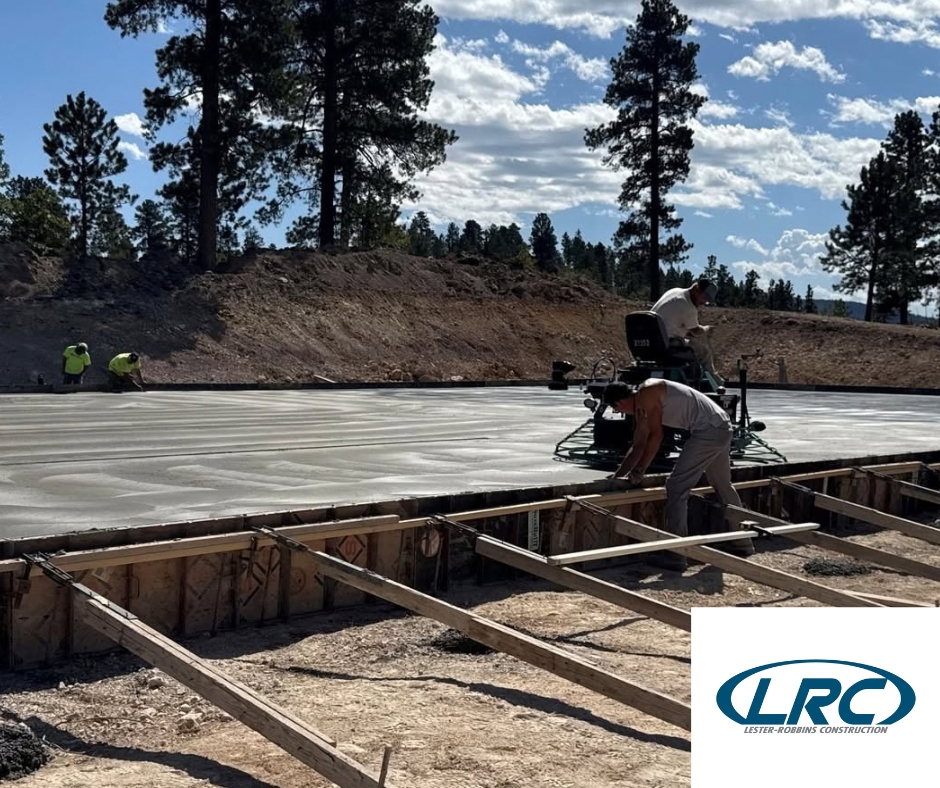
The best time to start a concrete construction project in the Black Hills area is usually earlier than many project teams expect. In western South Dakota, the practical window is shaped by freeze risk, spring moisture, summer contractor demand, and the type of concrete work being scheduled. For project managers, the goal is not simply to find a warm day; it is to align design, excavation, forming, placement, curing, and follow-on trades with a realistic regional construction timeline.
When is the Best Time to Start a Concrete Project in the Black Hills?
For most Black Hills concrete projects, the best planning period starts in late winter or early spring, with field work commonly targeted for late spring through early fall. That timing gives owners and project managers room to finalize scope, coordinate permits, reserve crews, and prepare the site before the busiest annual construction season in Rapid City contractors face each year.
The actual pour window depends on location. Rapid City often has a longer workable season than higher-elevation areas such as Lead or Custer. The National Weather Service notes that, in 90% of past years, Rapid City first reached 32°F by October 12, while Lead and Custer typically see earlier freeze risk. That matters because concrete does not respond to the calendar; it responds to temperature, moisture, wind, and protection conditions.
Western South Dakota Timelines are Compressed
Construction timeline planning in western South Dakota is different from planning in a milder region. Spring can bring thawing ground, late snow, muddy access, and delayed excavation. Summer brings heat, wind, tourism-related traffic in parts of the Black Hills, and high demand for qualified crews. Fall can be productive, but the margin for curing and cold-weather protection narrows quickly.
A practical concrete work schedule should therefore be built backward from the desired completion date. If the slab, foundation, curb, gutter, or paving must be ready for framing, equipment setting, or public access by a certain date, the schedule should include time for subgrade preparation, forming, reinforcing, inspections, concrete placement, curing, jointing, sealing where applicable, and weather delays.
For commercial and industrial work, this becomes even more important. A delay in a foundation or floor slab can affect steel erection, wall systems, modular component installation, mechanical rough-in, and occupancy milestones. In modern Black Hills construction, concrete often controls the pace of everything that follows.
Weather Controls Placement Quality
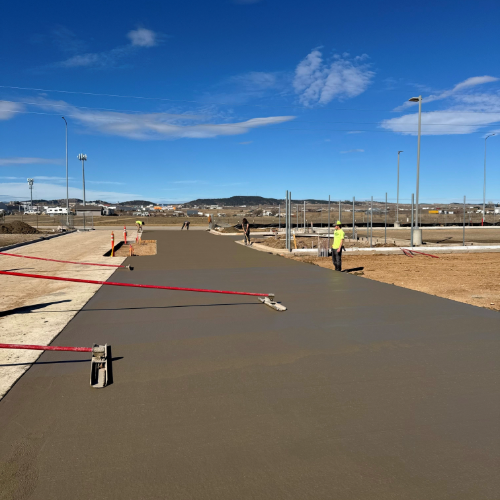
The question of “When to pour concrete in South Dakota?” begins with weather. Concrete gains strength through hydration, and that process slows in cold conditions. If fresh concrete freezes before it has developed enough strength, long-term durability can suffer. South Dakota project specifications commonly require cold-weather precautions when temperatures are expected to fall below key thresholds, including protecting concrete from freezing and maintaining proper placement conditions.
Cold is not the only concern. Summer heat, low humidity, and Black Hills wind can pull moisture from the surface quickly. That can increase the risk of plastic shrinkage cracking, finishing problems, and uneven curing. A skilled contractor may adjust timing by pouring earlier in the day, using curing compounds, managing evaporation, or sequencing placements to keep finishers ahead of the set.
Weather-sensitive planning should account for:
- Spring thaw: Subgrades may be unstable until frost leaves the ground and moisture is controlled.
- Late spring storms: Rain can interrupt excavation, forming, and site access.
- Summer heat and wind: Placement may need earlier start times and tighter curing control.
- Early fall freezes: Higher elevations can lose safe working conditions sooner than Rapid City.
- Cold-weather protection: Blankets, heated enclosures, mix adjustments, and monitoring may be needed when schedules extend late
Contractor Demand Affects Start Dates
The best technical window is not always the easiest scheduling window. As temperatures improve, contractor calendars fill quickly. The strongest crews, pump availability, ready-mix supply, inspection slots, and finishing equipment can all become harder to secure during peak season
This is why early communication is a real scheduling tool. A project manager who contacts a concrete contractor after drawings are complete but before the site is fully ready can still gain valuable input on sequencing, access, phasing, and constructability. Waiting until the week a pour is desired often creates unnecessary risk.
Lester-Robbins Construction serves Rapid City and the broader Black Hills region with concrete site work, commercial and industrial floors, decorative concrete, civil site work, foundations, paving, curb and gutter, sidewalks, driveways, and laser screed services. If your schedule depends on precise concrete execution, review Lester-Robbins Construction’s services and start the conversation before the season is fully booked.
Project Type Changes Your Ideal Start Date
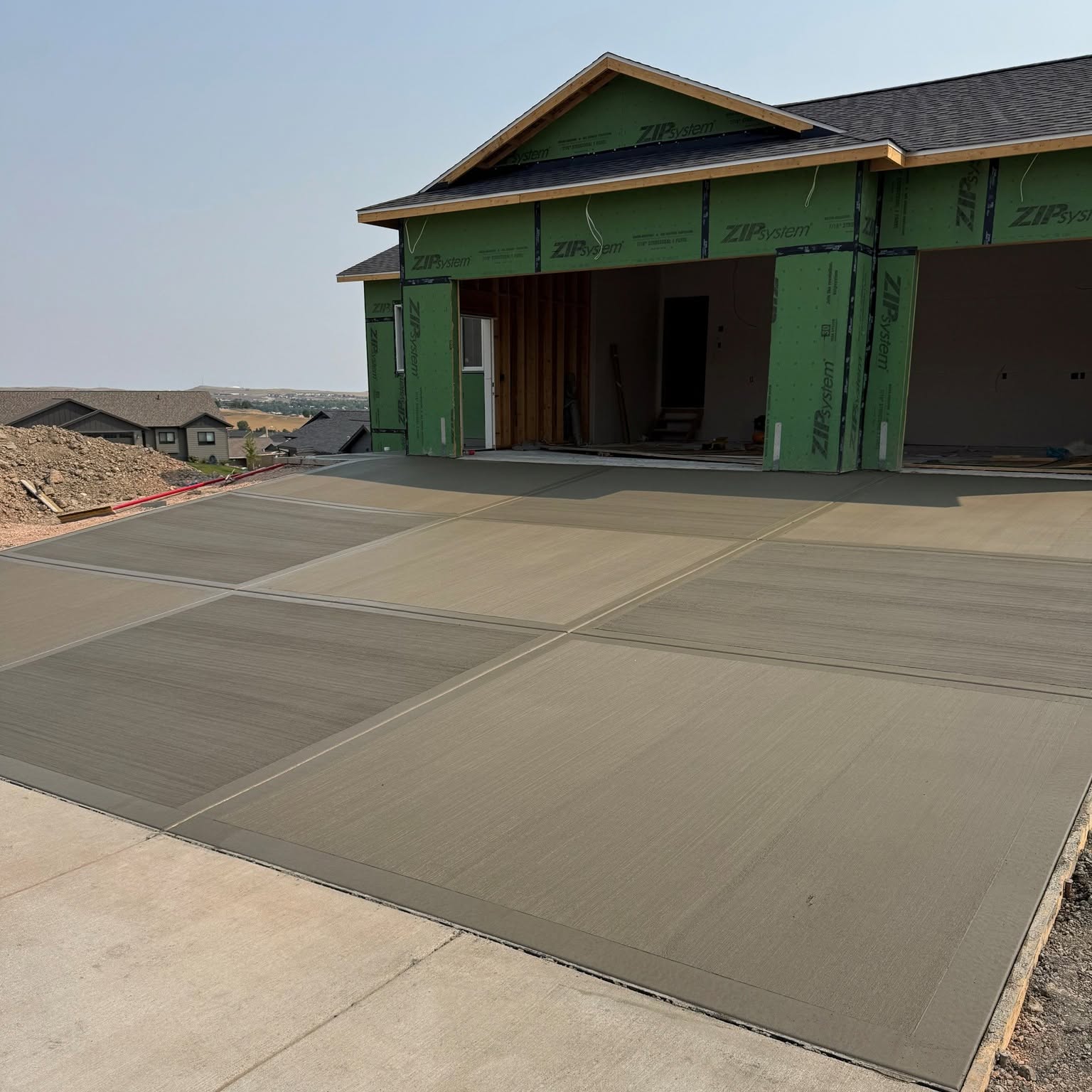
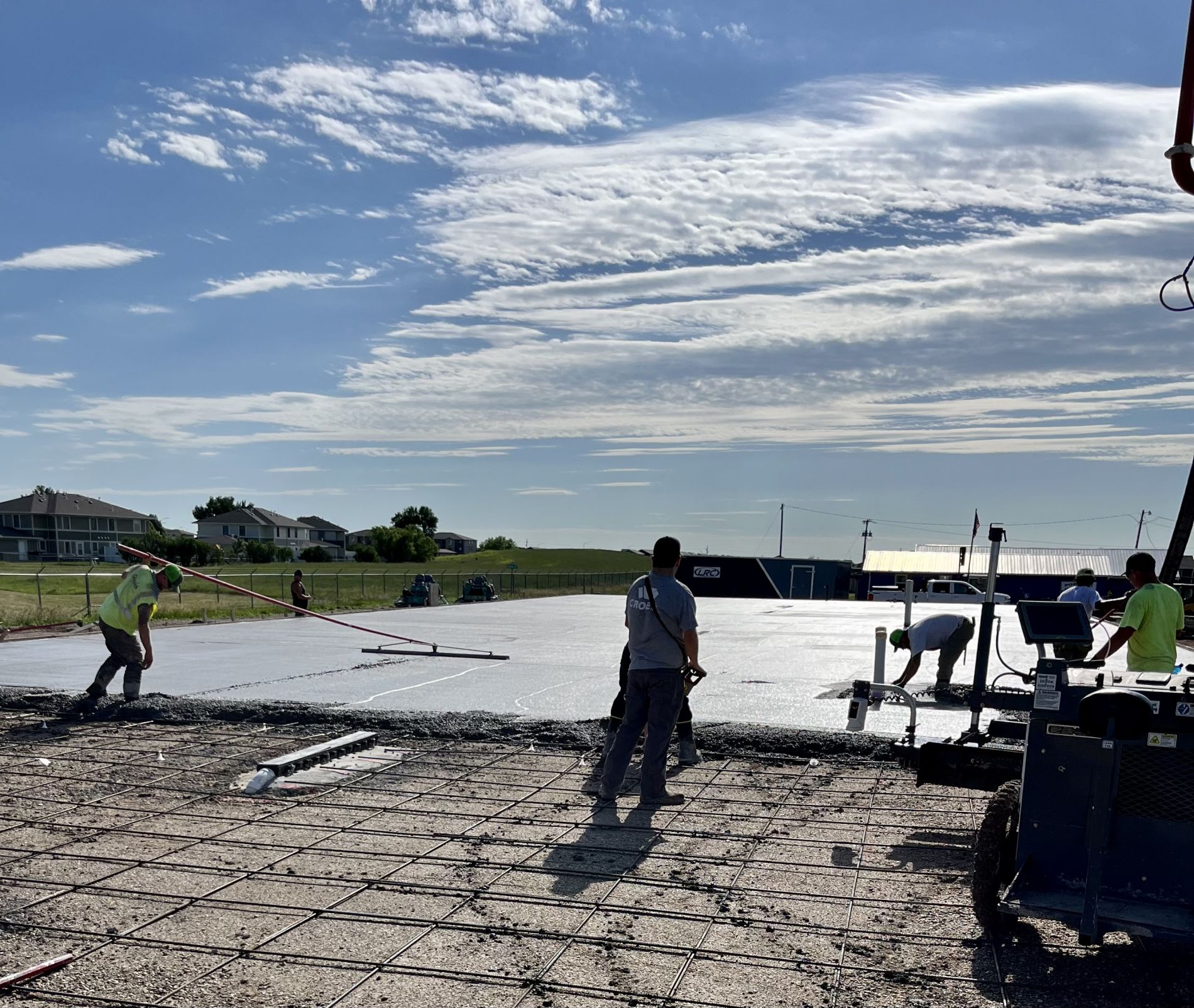
Different concrete scopes need different lead times. A small residential driveway may be able to fit into a shorter weather window, while a large industrial floor or civil paving package may require more design coordination, equipment planning, survey control, and sequencing with other trades.
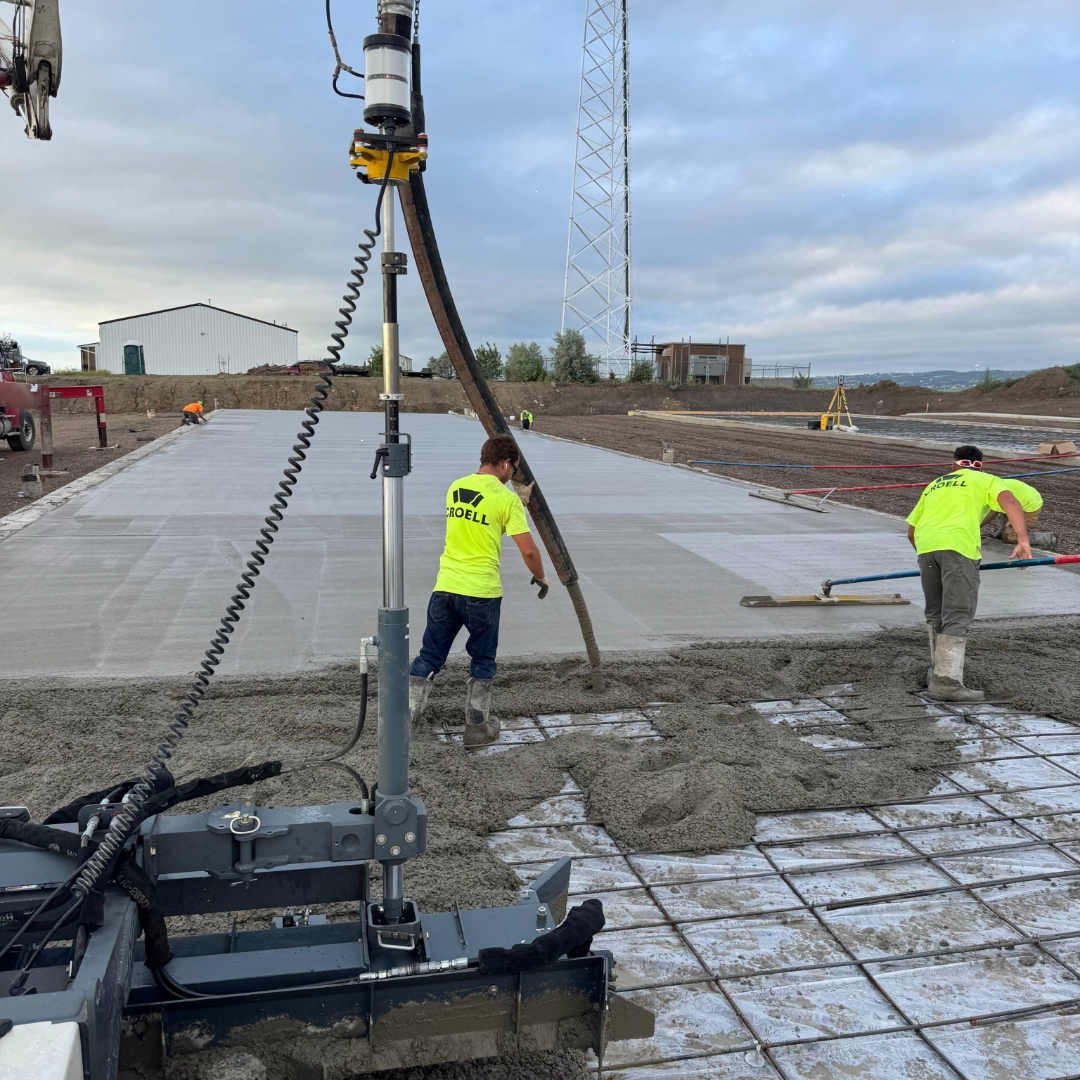
For commercial and industrial floors, start planning early enough to coordinate slab thickness, reinforcement, load requirements, joint layout, floor flatness expectations, vapor barriers, openings, and equipment pads. Laser screeding can improve accuracy and efficiency for large slabs, but it still requires a prepared subgrade, clear access, and a well-sequenced pour plan. We describe laser screed technology as useful for slabs and floors requiring accurate placement, including projects with flatness and levelness expectations.
For foundations, the schedule should account for excavation, footing preparation, reinforcing, inspections, wall or slab placement, waterproofing where required, and backfill timing. For civil site work, the timeline may include drainage structures, approaches, sidewalks, curbs, gutters, paving, and coordination with municipal standards or traffic impacts. For decorative concrete, weather and curing conditions are especially important because color, stamping, texture, and finish timing must be controlled carefully.
A Practical Planning Checklist
Use this checklist before locking in a start date:
- Define the project type clearly. Separate foundations, flatwork, paving, structural slabs, decorative work, and repair work because each has different weather and sequencing needs.
- Confirm site readiness. Check access, utilities, drainage, subgrade condition, staging space, and haul routes.
- Build in weather float. Western South Dakota schedules should expect interruptions, especially in spring and fall.
- Coordinate inspections early. Delayed inspections can stop a pour even when crews and materials are ready.
- Reserve contractor capacity. Peak season demand can make short-notice scheduling difficult.
- Plan curing and protection. Include blankets, curing compounds, saw cutting, sealing, or temperature monitoring when needed.
- Coordinate follow-on trades. Do not let framing, steel, modular delivery, or equipment installation assume an unrealistic cure timeline.
Efficient Scheduling Supports Sustainability
Good scheduling is also a sustainability practice. When concrete work is planned around suitable conditions, projects are less likely to require rework, excessive heating, emergency protection, wasted material, or inefficient remobilization. That improves cost control and reduces unnecessary resource use.
Prefabricated and modular construction make this even more important. These systems depend on accurate foundations and slabs because factory-built components arrive with tighter tolerances and less room for field adjustment. A well-executed concrete package allows modular walls, equipment skids, panels, or structural systems to be installed with fewer delays.
Your Concrete Contractor in Rapid City, South Dakota
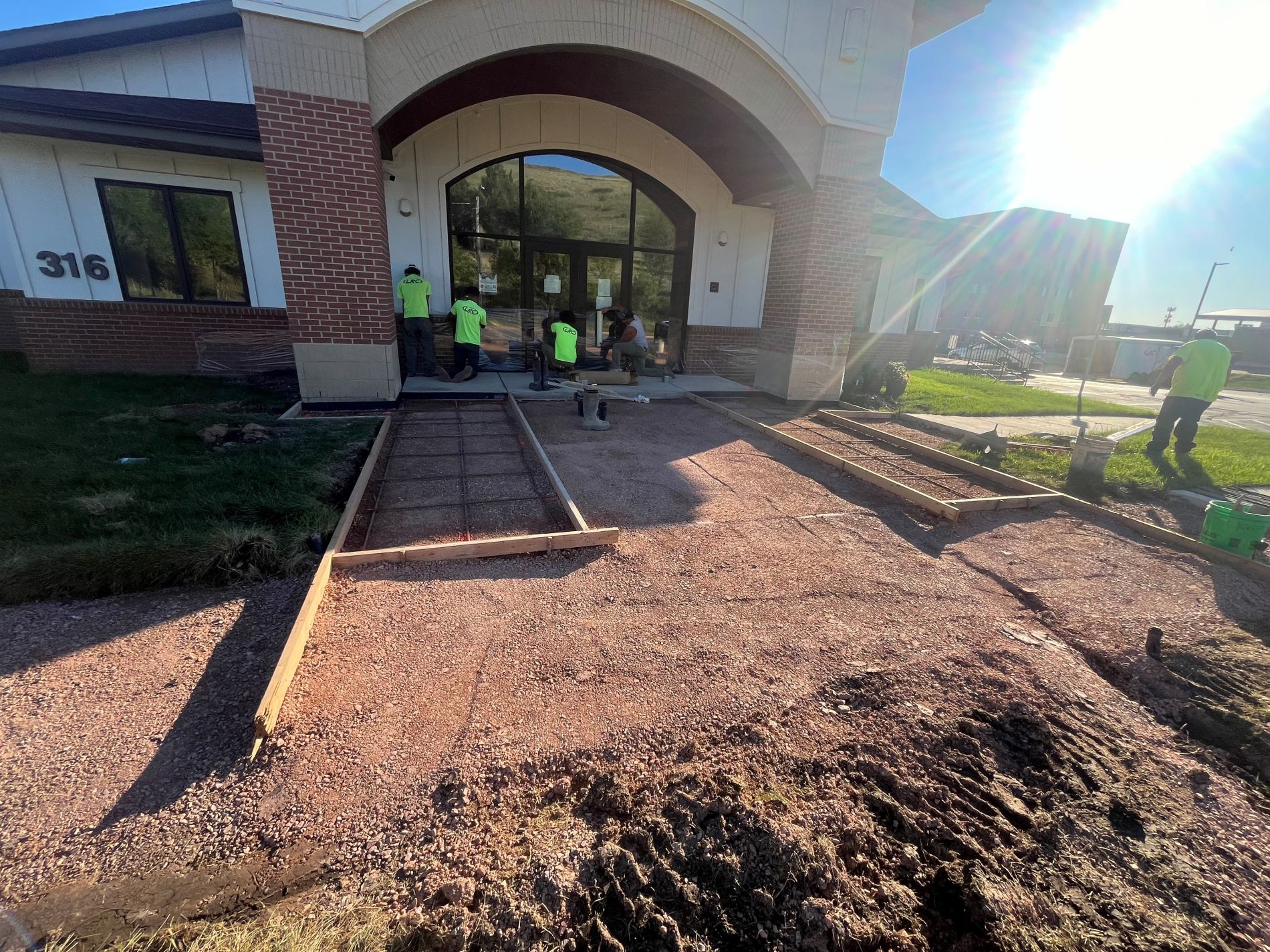
In the Black Hills, the best start date is the one that respects weather, contractor demand, and project type. Begin planning in winter or early spring, target the strongest weather window for the scope, and be prepped for western South Dakota conditions. For concrete site work, commercial floors, foundations, paving, decorative concrete, and laser screed services, contact Lester-Robbins Construction today to discuss a schedule that fits the realities of Black Hills weather construction and keeps your project moving with precision. Our team has 18+ years of local expertise to back up our work!
Last Modified: