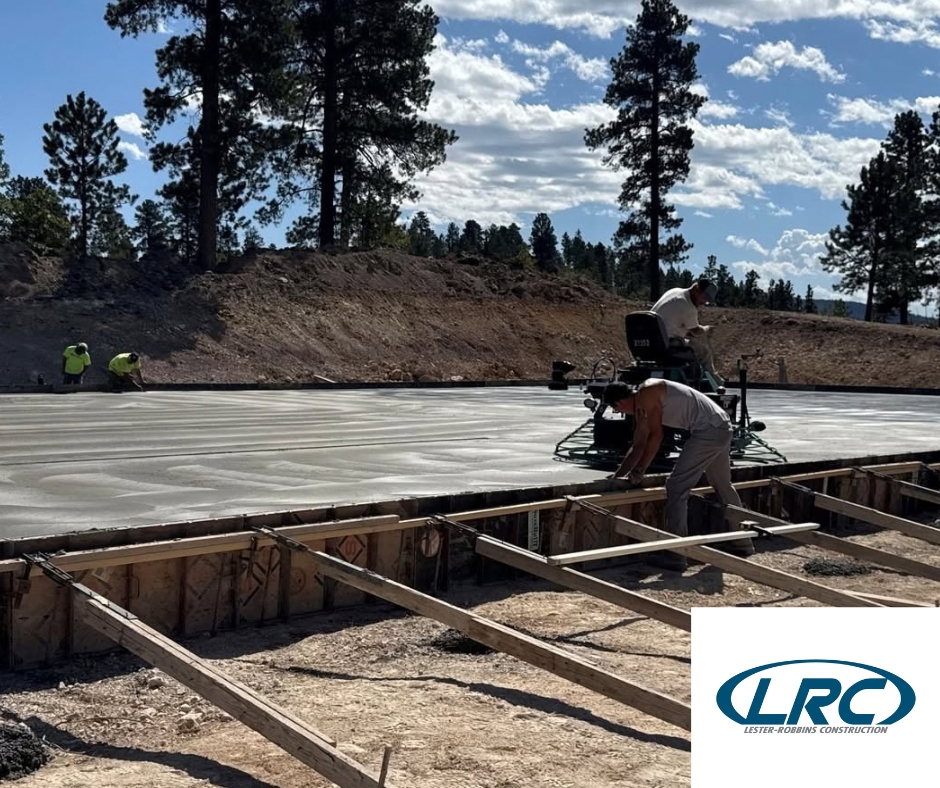
The best time to start a concrete construction project in the Black Hills area is usually earlier than many project teams expect. In western South Dakota, the practical window is shaped by freeze risk, spring moisture, summer contractor demand, and the type of concrete work being scheduled. For project managers, the goal is not simply to find a warm day; it is to align design, excavation, forming, placement, curing, and follow-on trades with a realistic regional construction timeline.
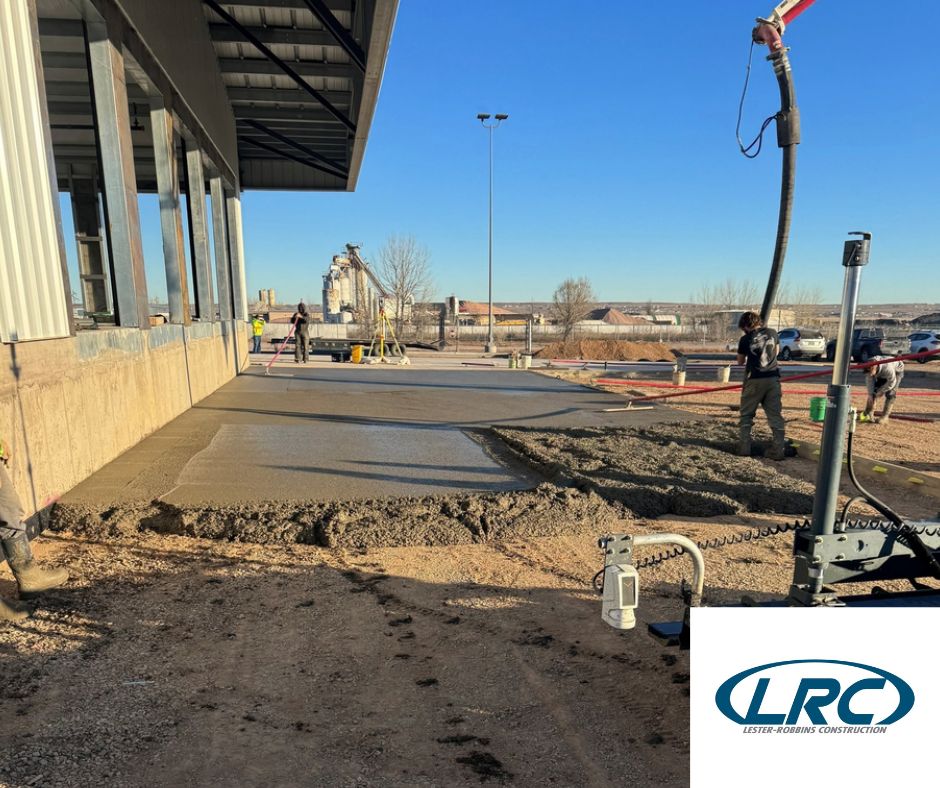
When most people think about a concrete floor, they see a finished surface. At Lester-Robbins Construction, we see something more. We see forklift traffic in a warehouse. We see service trucks pulling into a shop bay during a South Dakota winter. We see employees, customers, equipment, and years of daily wear that will test the performance of that floor long after construction is complete.
If you are planning to pour a backyard patio, set up a new walkway, or lay down a small shed foundation, getting your mix right is the cornerstone of any successful masonry project. For homeowners and contractors working in the unique environment of the Black Hills, understanding the 4:2:1 concrete mix rule for general-purpose concrete projects in Rapid City, South Dakota, is essential.
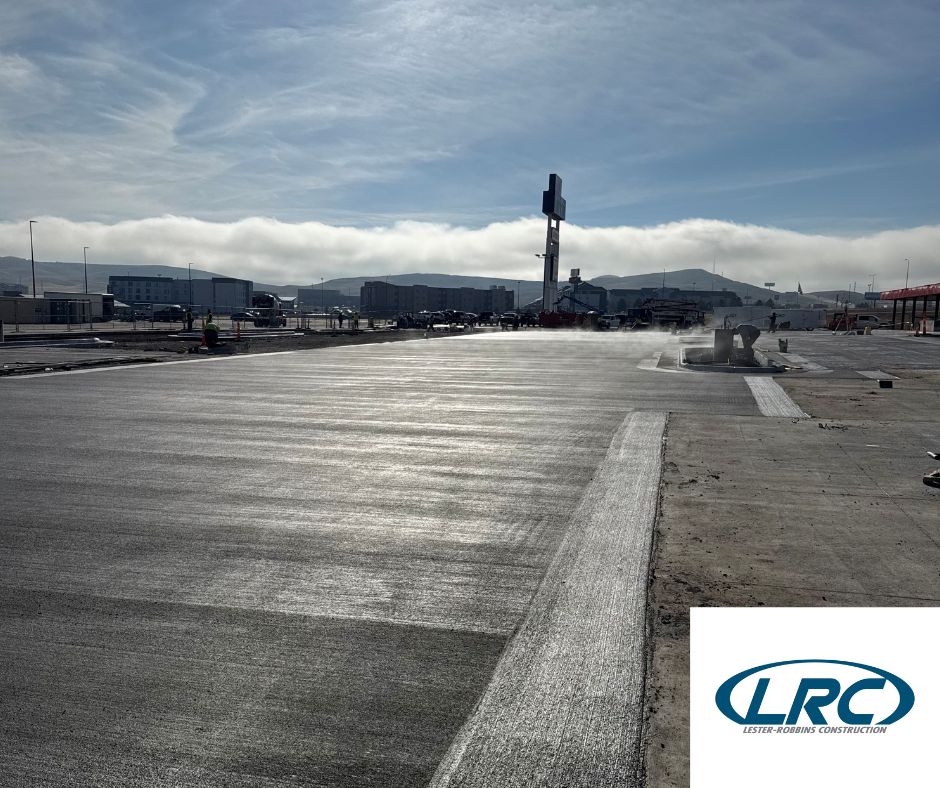
Every August, the quiet, scenic highways of South Dakota transform into the bustling epicenter of the motorcycling world. TheSturgis Motorcycle Rallydraws hundreds of thousands of riders, creating a unique stress test for the local roads, bridges, and parking infrastructure. For civil engineers, contractors, and developers, this massive influx of visitors is much more than a cultural phenomenon. It is a real-world proving ground for durability, performance, and long-term planning.
Picture flattening wet mud the size of four football fields, making it so perfectly level that a dropped marble never rolls. According to logistics experts, this extreme precision is mandatory for giant industrial warehouses to operate safely.
Next time it pours, look out your front window. According to environmental data, a single inch of rain on a typical roof creates nearly 600 gallons of runoff volume. That massive wave must quickly disappear to keep your basement dry.
Ana Gonzalez and Nick Robbins never imagined where life would take them when they first crossed paths in the hallways of St. Thomas More as wide-eyed freshmen. But life works just as God has planned...
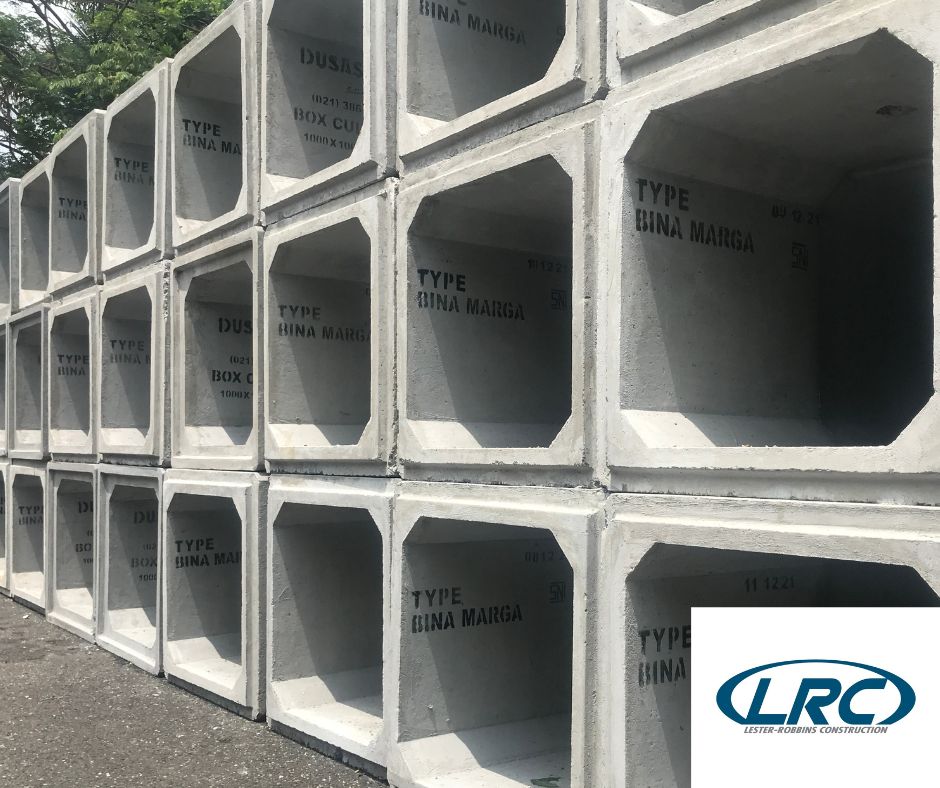
Across the country, owners and developers are accelerating schedules and improving reliability by shifting core building elements from the jobsite to the plant. The rise of prefab and precast concrete in commercial construction reflects a practical response to labor constraints, weather volatility, and the need for predictable outcomes. When precast concrete production runs in parallel with sitework, projects dry in faster, interiors stay protected, and costs are easier to control. This guide explains what prefabrication and modular construction mean in practice, where the biggest gains occur.
As spring approaches, rapid snowmelt, heavy rain, and fluctuating temperatures can quickly turn minor moisture issues into serious problems around a home or business. If you’re evaluating how to protect a basement or crawl space, this guide explains exterior vs. interior foundation waterproofing systems an essential part of spring planning and longterm building performance.
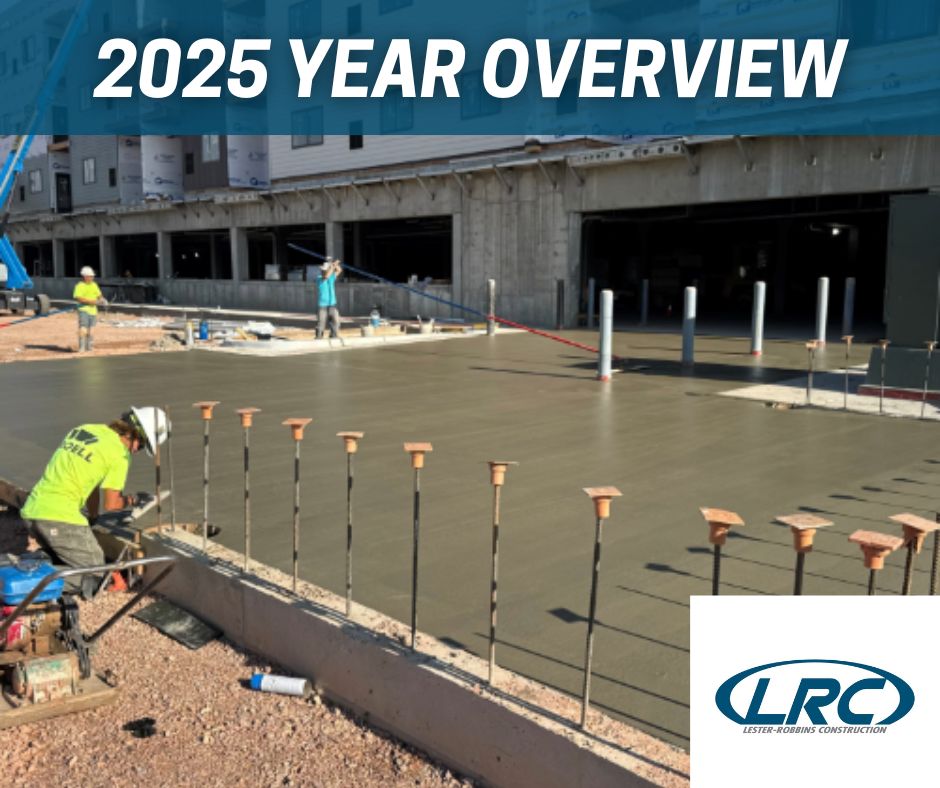
As we look back on 2025, Lester?Robbins Construction is proud to highlight several key projects that showcase our team’s versatility, craftsmanship, and commitment to delivering excellence across the region. From multi?family housing developments to major commercial transportation facilities, each project reflects the expertise and reliability our clients have come to expect.