
Polished vs. Epoxy vs. Sealed Concrete Floors
– By #Lester-Robbins Construction

When most people think about a concrete floor, they see a finished surface. At Lester-Robbins Construction, we see something more. We see forklift traffic in a warehouse. We see service trucks pulling into a shop bay during a South Dakota winter. We see employees, customers, equipment, and years of daily wear that will test the performance of that floor long after construction is complete.
That's why choosing a concrete floor finish is about much more than appearance. The right finish can reduce maintenance costs, improve durability, and help your facility operate more efficiently for years to come.
For commercial and industrial buildings throughout Rapid City and the Black Hills, the conversation typically comes down to three options: polished concrete, epoxy coatings, and sealed concrete. Each has its place. The key is understanding how the space will actually be used.
Start With the Demands of the Building
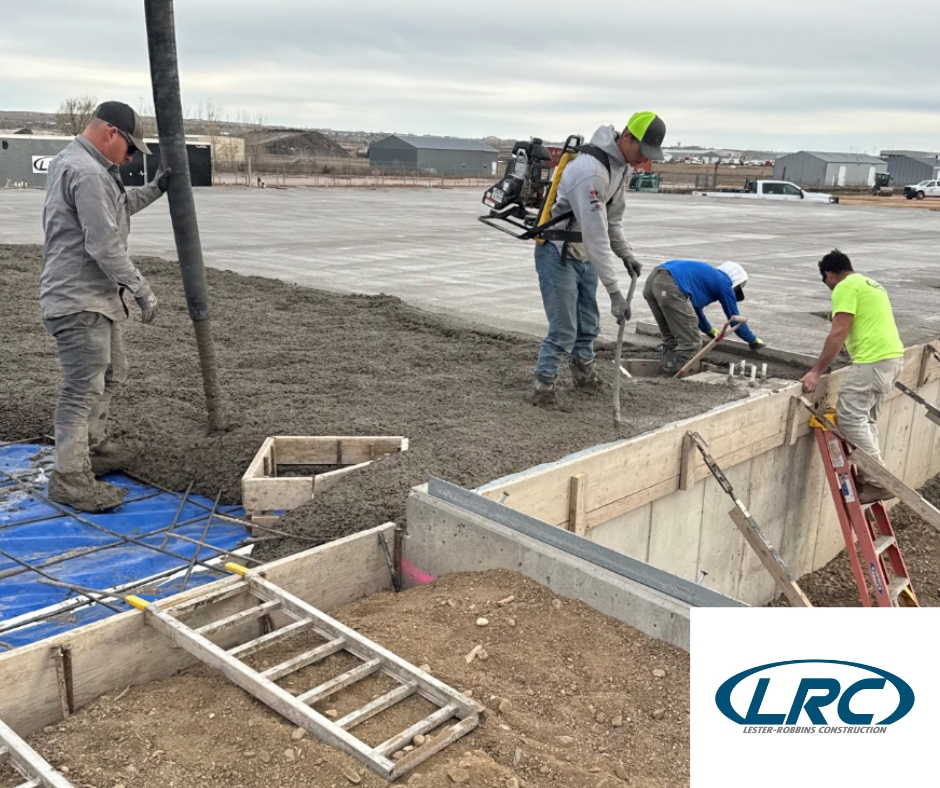
Before comparing finishes, we always encourage owners to think about what their floor will face every day. A warehouse has very different needs than a retail showroom. A maintenance facility sees different wear than a storage building. In western South Dakota, you also have to account for realities like snow, road salt, moisture, and the seasonal temperature swings that come with life in the Black Hills. The best flooring decisions are made when function leads the conversation.
Why Polished Concrete Continues to Be a Popular Choice
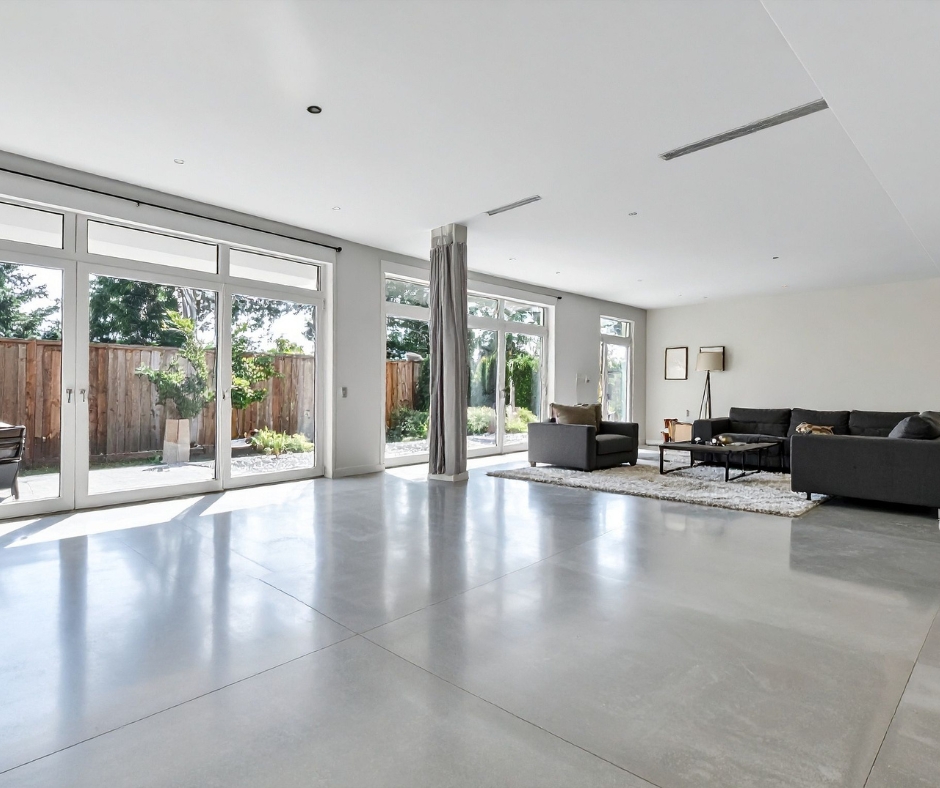
For many commercial facilities, polished concrete provides one of the best balances of durability, appearance, and long-term value.
Unlike a coating that sits on top of the slab, polished concrete transforms the slab itself into the finished surface. Through a process of grinding and refinement, the concrete becomes denser, smoother, and easier to maintain.
That's one reason polished concrete is so common in warehouses, distribution centers, retail spaces, schools, churches, and modern commercial buildings. Owners appreciate the clean, professional look. Facility managers appreciate the reduced dust and straightforward maintenance. Operations teams appreciate a surface that performs well under constant rolling traffic from carts, pallet jacks, and forklifts.
Of course, polished concrete isn't the answer for every application. If a facility is regularly exposed to chemicals, oil, or certain industrial processes, another system may offer better protection.
When Epoxy Makes More Sense
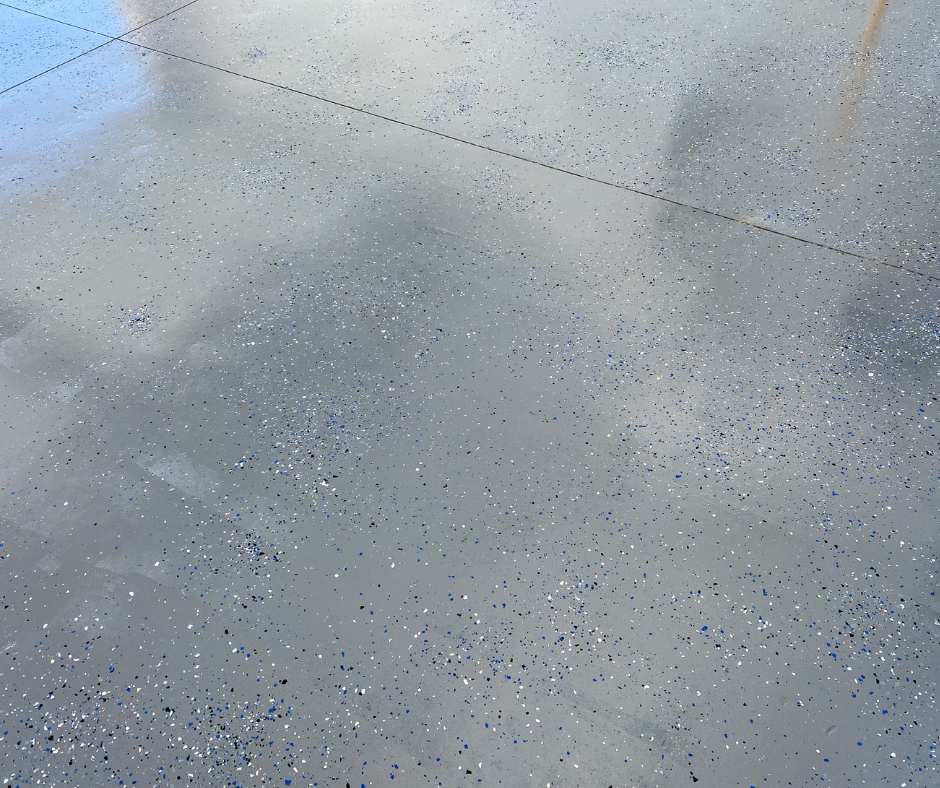
Service bays, maintenance shops, utility rooms, and certain industrial spaces often benefit from epoxy because the flooring becomes part of the facility's protection strategy. Epoxy also gives owners more flexibility from a visual standpoint. Safety striping, color coding, slip-resistant textures, and decorative finishes can all be incorporated into the system.
The tradeoff is that coatings require proper preparation and installation. Moisture conditions, surface preparation, and curing all play a critical role in long-term performance. When properly designed and installed, epoxy can be an excellent solution. But like any specialty system, success depends on matching the product to the environment.
The Practical Appeal of Sealed Concrete

A sealer helps reduce dusting, improves cleanability, and offers a basic level of protection while preserving the natural appearance of the concrete. For storage areas, utility spaces, equipment buildings, and other lower-traffic environments, that may be all that's required.
Sealed concrete is often the most economical option upfront, which can make sense when budgets are tight or when the demands on the floor are relatively modest. The important thing to understand is that sealers are designed for basic protection, not heavy-duty performance. In high-traffic environments, they typically require more maintenance and reapplication than polished concrete or epoxy systems.
Different Areas Often Need Different Solutions
One of the biggest misconceptions we encounter is the idea that an entire facility must use a single flooring system. In reality, some of the best-performing buildings use multiple finishes. A warehouse may utilize polished concrete in main traffic corridors, epoxy in maintenance areas, and sealed concrete in secondary storage spaces. A manufacturing facility may need chemical resistance in one department while prioritizing heavy equipment movement in another.The goal isn't choosing the "best" finish. The goal is choosing the right finish for each part of the building.
Think Beyond Installation Day
One of the most important questions any owner can ask is simple:"How will we maintain this floor five years from now?"
The answer often has a bigger impact on long-term value than the initial installation cost.
A lower-cost finish that requires frequent repairs, recoating, or downtime may ultimately cost more than a higher-performing system installed from the start.
That's why we encourage clients to evaluate flooring decisions through the lens of lifecycle value, not just construction budgets.
The Lester-Robbins Perspective
For many warehouses, retail facilities, and commercial buildings, polished concrete delivers an excellent combination of durability, appearance, and low maintenance.
For service bays, industrial spaces, and environments where chemical resistance is critical, epoxy may be the better investment.
For utility buildings, storage facilities, and lower-demand spaces, sealed concrete often provides the practical performance owners need without unnecessary expense.
The most successful projects begin with a quality slab, thoughtful planning, and a clear understanding of how the building will operate. From there, choosing the right finish becomes much easier.
At Lester-Robbins Construction, we help owners look beyond the surface and evaluate the full picture, from traffic patterns and equipment loads to maintenance expectations and long-term performance. Because a concrete floor shouldn't just look good on opening day. It should continue working hard for your business for years to come.
Last Modified: