
Stormwater Management with Concrete: Culverts, Channels & Beyond
– By #Lester-Robbins Construction
Next time it pours, look out your front window. According to environmental data, a single inch of rain on a typical roof creates nearly 600 gallons of runoff volume. That massive wave must quickly disappear to keep your basement dry.
Because our cities rely on hard, "impervious" surfaces like driveways, the ground cannot absorb this downpour. Instead, rain plunges into street drains, which act entirely differently than the sewer lines connected to your home.
Beneath the pavement rests a hidden skeleton of infrastructure built for large-scale water management. Heavy-duty concrete drainage systems-including culverts, channels, and catch basins-silently protect our modern neighborhoods from washing away.
Heavy Metal vs. Solid Concrete: Why Your City Chooses Infrastructure That Won't Float Away
Pushing a beach ball underwater is surprisingly difficult because water pressure forces it to the surface. This same physics lesson explains why engineers choose concrete over plastic for stormwater pipes. During heavy rain, saturated ground creates "pipe buoyancy." This upward pressure can literally pop lightweight plastic tubes right out of the dirt, ruining the streets above them.
Engineers defeat this floating hazard using extreme weight. Because concrete drainage systems weigh thousands of pounds, rising groundwater simply cannot lift them. That sheer mass becomes an invisible safety feature during severe floods, keeping the buried network firmly anchored even when the surrounding soil turns to mud.
Furthermore, these sturdy networks outlast alternatives by decades. When comparing the longevity of concrete versus corrugated metal pipes, metal inevitably rusts, while concrete boasts a "service life expectancy" of 100 years. This century-long dependability makes concrete the ideal material for humble culverts and precast tunnels that protect neighborhood roads.
The Humble Culvert: How Precast Concrete Tunnels Protect Your Neighborhood Roads
When driving over a small neighborhood creek, you are likely crossing one of the many concrete culverts keeping your commute safe. Think of a culvert as a sturdy tunnel for a stream, allowing roads and water to cross paths seamlessly. Without them, heavy rains would quickly wash our streets away.
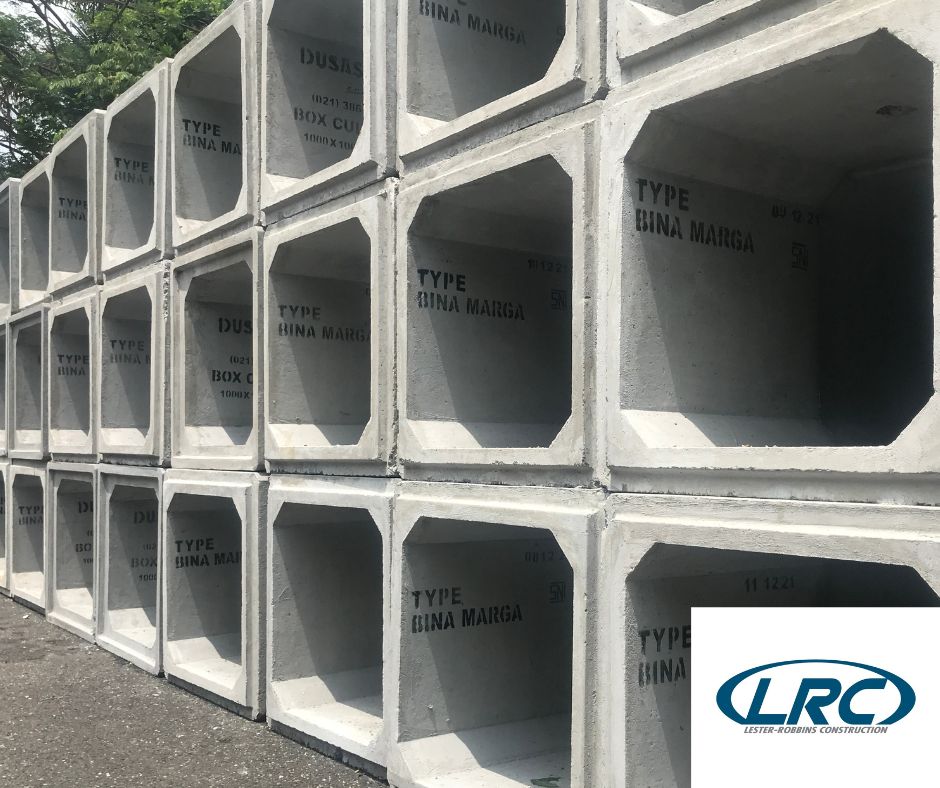
Depending on water volume, engineers follow a concrete culvert design and installation guide to pick the right shape. Pipe culverts resemble giant cylinders and easily handle standard storm runoff. Box culverts, however, are massive rectangular tunnels built to swallow entirely flooded creeks without clogging.
To minimize frustrating traffic detours, cities love a "Lego-style" approach. When evaluating precast vs. cast-in-place concrete drainage systems, precast (factory-built) pieces offer major benefits over pouring wet concrete directly into a muddy trench:
- Speed: Roads reopen in days, not weeks.
- Quality: Controlled factory environments create flawless, stronger blocks.
- Reliability: Culvert construction storm drain projects aren't delayed by unexpected rain.
While these hidden tunnels protect our streets underground, open concrete channels manage rushing water at the surface to prevent backyard erosion.
Taming the Torrent: How Open Concrete Channels Prevent Backyard Erosion
Have you noticed muddy trenches forming at your property line after heavy rain? Preventing soil erosion with concrete channels is crucial for keeping residential yards intact. Unlike easily washed-away dirt ditches, engineers calculate the exact hydraulic capacity of concrete drainage channels to ensure these pathways can safely swallow massive rain volumes without overflowing into your home.
When designing open concrete channels for surface runoff, experts must balance water speed with material smoothness. The sleek concrete surface keeps water moving briskly to eliminate the stagnant, muddy puddles where nuisance mosquitoes breed, but the channel's slope is carefully angled to prevent destructive, overly fast currents.
To defend against this moving water, drainage networks use scour protection, which acts as an unyielding armor for vulnerable soil. You will often spot riprap-a bed of large, chunky rocks-placed at the channel's exit to act like a brake pad and safely slow the rushing water. Once the surface torrent is tamed, concrete catch basins filter street trash and protect local streams.
The 'Hard Sponge' Revolution: Why Permeable Concrete is the Future of Sustainable Drainage
We usually think of concrete as a solid, waterproof barrier. Imagine a sidewalk acting like a rigid sponge instead. This is permeable concrete, a special mixture missing the fine sand that seals traditional pavement tight. When it rains, water simply falls through thousands of tiny, interconnected gaps.
Letting water soak directly into the earth changes how cities handle severe storms. By embracing low impact development using permeable concrete, neighborhoods create sustainable drainage within everyday parking lots. Rather than funneling heavy rainfall into massive, expensive detention ponds, the ground safely drinks the water, naturally filtering pollutants as it sinks.
The positive environmental impact of concrete stormwater solutions like this porous pavement is incredible. Recharging the local groundwater supply prevents destructive surface flooding while keeping nearby creeks flowing during dry months. Embracing these hidden, sponge-like surfaces naturally strengthens a neighborhood's foundation by providing long-term structural and environmental value.
Strengthening Your Neighborhood's Foundation: The Long-Term Value of Concrete Stormwater Solutions
This hidden gray skeleton protects property values and prevents modern neighborhoods from washing away. The unmatched cost-effectiveness of concrete for municipal drainage, combined with the quick benefits of precast concrete for flood control, ensures this material remains the undisputed gold standard for long-term community resilience.
When spotting a project by, say, a local Rapid City concrete contractor, you can recognize the vital engineering being installed beneath the streets. Support these essential infrastructure investments. During the next downpour, simply watch the water safely vanish, confident that your civic foundation is secure.
Ready to plan your next stormwater or drainage project?
Contact Lester-Robbins Construction - your go-to concrete contractor in Rapid City and the Black Hills, SD-to discuss culvert work, concrete drainage improvements, and durable stormwater solutions built for our region. If you're preparing for rainy season, we're ready to help you evaluate site conditions, clarify options, and move forward with a plan that performs.
Last Modified: