
Exterior vs. Interior Foundation Waterproofing Systems: Essential for Spring
– By #Lester-Robbins Construction
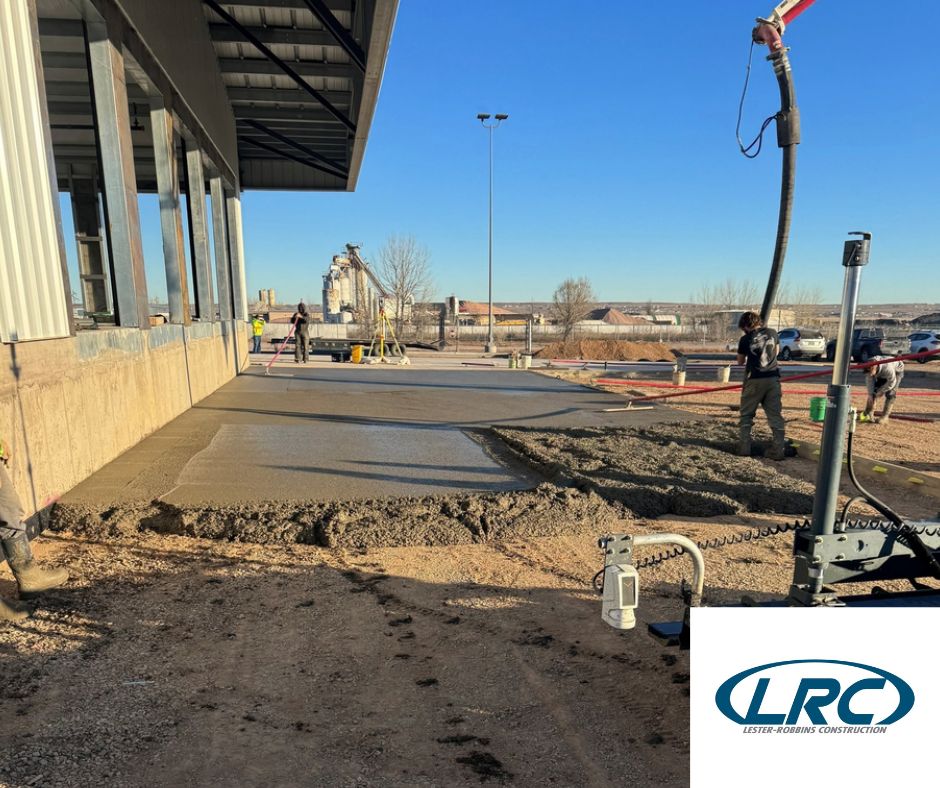
As spring approaches, rapid snowmelt, heavy rain, and fluctuating temperatures can quickly turn minor moisture issues into serious problems around a home or business. If you’re evaluating how to protect a basement or crawl space, this guide explains exterior vs. interior foundation waterproofing systems an essential part of spring planning and longterm building performance.
We’ll cover why water intrudes, how each system works, cost and performance differences, and how Lester-Robbins Construction integrates waterproofing into new foundation pours and into projects where an existing foundation needs localized repairs. Our team serves the Black Hills and surrounding areas with proven solutions designed to safeguard your structure through the wettest months of the year.
Understanding Foundation Water Issues
Water finds its way into foundations through several common pathways. Hydrostatic pressure pushes moisture through porous concrete. Poor grading directs water toward the building. Gutters and downspouts that are undersized or clogged dump water at the foundation line. Cracks, deteriorated joints, and unsealed penetrations provide channels for seepage. High water tables and inadequate drainage keep exterior walls damp even in normal conditions, an especially frequent scenario in foundation waterproofing Black Hills projects.
Spring conditions magnify these concerns: frozen soils thaw, snowmelt raises groundwater, and freeze–thaw cycles expand small cracks. Early warning signs include damp patches, efflorescence (white deposits), musty odors, flaking paint, rust on appliances, and puddles along slab edges.
Left unaddressed, moisture can lead to mold growth, damaged interior finishes, and reduced structural durability. Proactive spring waterproofing prep is one of the most effective ways to prevent these issues from escalating.
Interior Foundation Waterproofing: How It Works
Interior waterproofing manages water after it has entered the structure. While it doesn’t stop moisture at the exterior wall, it keeps interior surfaces dry and relieves pressure around the footing.
Typical components include:
- Interior perimeter drains (French drains)
- A sump pit and pump that discharge water away from the building
- Vapor barriers or wall panels directing moisture into the drain system
- Injectable epoxies or polyurethane crack sealants
- Dehumidifiers and interior coatings for humidity control
Interior waterproofing is especially practical when exterior access is limited or when a basement needs targeted moisture control without major excavation. It offers a lower upfront cost and less disruption to landscaping.
However, because exterior walls can still get wet, it’s most effective when combined with good grading, functioning gutters, and proper site drainage.
Exterior Foundation Waterproofing: How It Works
Exterior systems aim to stop water before it reaches the foundation wall, making them the most comprehensive long-term approaches especially during spring saturation.
The process typically includes:
- Excavating to the footing
- Cleaning and repairing the foundation surface
- Installing a continuous waterproofing membrane
- Adding drainage board to channel water downward
- Placing perforated footing drains in washed stone and filter fabric
- Restoring soils with proper compaction and grading
- Improving downspouts and site drainage
When done correctly, exterior waterproofing significantly reduces hydrostatic pressure, moisture contact with concrete, and freeze–thaw stress. For foundation waterproofing Black Hills sites, this method often provides the resilience needed against unpredictable seasonal moisture.
Latest Membrane Technologies and Drainage Best Practices
Modern waterproofing products improve durability for both interior and exterior systems:
- Cold-applied elastomeric membranes
- Self-adhered multi-layer sheet membranes
- Spray-applied polyurea and hybrid coatings
- Bentonite-based barriers that self-heal
- Drainage composites with integrated filter fabric Drainage design remains essential:
- Correctly sloped footing drains
- Clean, angular washed stone
- Filter fabric to prevent clogging
- Positive grading (6 inches of fall over the first 10 feet)
- Properly sized gutters and extended downspouts
- Redundant sump pumps with alarms and battery backup
Interior vs. Exterior: Performance, Costs, and Use Cases
The core difference: Interior systems manage water after entry; exterior systems prevent it from reaching the wall.
Interior systems are ideal for:
- Minor seepage
- Targeted repairs
- Lower-cost improvements
- Situations where exterior excavation isn’t practical Exterior systems are ideal for:
- Persistent moisture
- High water tables
- Poor grading
- New construction requiring long-term durability
Many projects benefit from a blended approach: exterior drainage paired with an interior sump system for added resilience.
Integrating Waterproofing into New Builds (and Existing Foundations That Need Repair)
Waterproofing is most effective and cost-efficient when incorporated during new construction.
Lester-Robbins Construction is experienced in new foundation pours and can upgrade or repair portions of an existing foundation to support waterproofing performance. This includes:
- Specifying continuous exterior membranes
- Installing drainage boards and footing drains
- Designing grading and hardscape slopes for water control
- Sealing cold joints, corners, and penetrations
- Sizing gutters and downspouts correctly
- Adding interior sump systems where redundancy is needed
This integrated approach strengthens long-term performance and reduces future callbacks.
Frequently Asked Questions
Does interior waterproofing stop water entirely?
It keeps interior spaces dry by capturing and redirecting water, but the exterior wall can still get wet.
Is exterior waterproofing effective for older buildings?
Yes paired with crack repairs and modern membranes, it dramatically improves performance.
Can I combine systems?
Often the best solution. Many properties benefit from both exterior drainage and interior sump backup.
How do I protect my foundation during spring snowmelt?
Clear gutters, extend downspouts 6 feet, improve grading, test sump pumps, and inspect exterior drains.
What maintenance is required?
Interior: test pumps and inspect valves quarterly.
Exterior: maintain grading, gutters, and consider periodic drain inspections.
Why Choose Lester-Robbins Construction
Lester-Robbins Construction is a trusted leader in concrete, foundations, and below-grade protection across the Black Hills. Clients choose our team for:
- Proven experience building strong commercial and industrial foundations in the Black Hills since 2008
- Integrated solutions that match waterproofing with structural needs
- Transparent pricing and dependable scheduling
- Long-term reliability through high-quality detailing and drainage design
If your home or business needs a fresh start for spring, or if you're planning a new foundation pour, our team is here to help. Contact Lester-Robbins Construction to schedule an evaluation and choose the right waterproofing approach for your site and budget.
Last Modified: