
What is the 4:2:1 Concrete Mix Rule?
– By #Lester-Robbins Construction

If you are planning to pour a backyard patio, set up a new walkway, or lay down a small shed foundation, getting your mix right is the cornerstone of any successful masonry project. For homeowners and contractors working in the unique environment of the Black Hills, understanding the 4:2:1 concrete mix rule for general-purpose concrete projects in Rapid City, South Dakota, is essential.
This classic formula balances durability, workability, and cost-effectiveness. But how exactly does it work, and how should it be adapted for local weather and soil conditions? Let’s break down the science, the materials, and the local nuances of a perfect pour.
Decoding the 4-2-1 Method
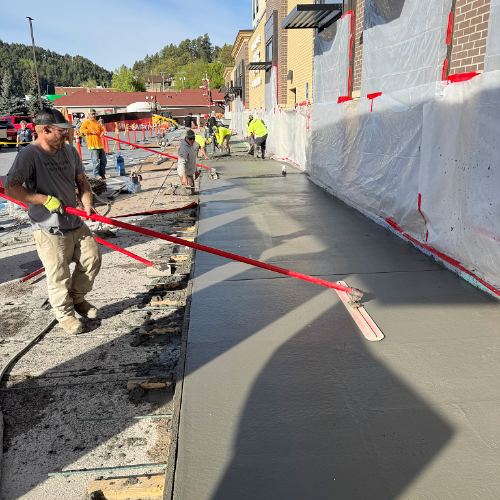
The 4-2-1 method is a time-tested, straightforward concrete mix ratio used across the globe. The numbers represent the proportions of the dry ingredients:
- 4 Parts Gravel (Coarse Aggregate): Provides the bulk and structural integrity. The ideal coarse aggregate size for general residential projects is usually ¾-inch to 1-inch crushed stone.
- 2 Parts Sand (Fine Aggregate): Fills the microscopic voids between the gravel pieces.
- 1 Part Cement: The binding agent that locks everything together. For this ratio, standard type I/II Portland cement applications are highly recommended, as they offer excellent versatility for both general construction and environments with moderate sulfate exposure.
When creating this mix, you are typically mixing concrete by volume vs weight. As long as you maintain the exact same measuring container for all materials, your ratio for concrete will remain perfectly balanced.
Strength and Application: Is 4-2-1 Right for You?
When evaluating the compressive strength of general-purpose concrete, the 4-2-1 ratio generally yields around 2,500 to 3,000 PSI (pounds per square inch) once fully cured. This makes it an ideal standard concrete recipe for DIY footings, fence posts, walkways, and non-load-bearing slabs.
However, you might wonder about 4-2-1 vs 1-2-3 concrete mix strength. The 1:2:3 ratio (1 part cement, 2 parts sand, 3 parts gravel) contains a higher concentration of cement, pushing the compressive strength closer to 3,500 or 4,000 PSI. While the 1:2:3 mix is better for heavy-duty driveways or load-bearing foundation walls, the 4:2:1 ratio is generally more than sufficient and more budget-friendly for smaller, everyday residential projects.
Adapting Your Pour for Rapid City Conditions
Anyone involved in concrete construction in South Dakota knows that the local environment is unapologetically harsh. From expanding soils to blistering summers and freezing winters, your concrete needs to be resilient.
Dealing with Expansive Soils
One of the biggest hurdles in the region is adjusting concrete mix for Pierre shale soil. This expansive clay soil absorbs moisture and swells, putting immense upward pressure on concrete, before shrinking and cracking it during dry spells. To combat this, ensure your subgrade is heavily compacted with a thick, stable gravel base (at least 4 to 6 inches) before pouring your 4:2:1 mix. Using rebar or wire mesh reinforcement is also non-negotiable for preventing concrete cracks in Black Hills climate.
Winterizing Your Concrete
If you are pouring late in the season, adjusting the concrete mix ratio for South Dakota winters requires a slight tweak to your additive strategy. The constant freezing and thawing of moisture inside the concrete can cause spalling and surface flaking. To prevent this, professionals highly recommend using air-entraining admixtures for freeze-thaw resistance. These chemical additives create microscopic air bubbles in the wet mix, giving frozen water a place to expand without fracturing the concrete.
Best Conditions for Pouring and Curing
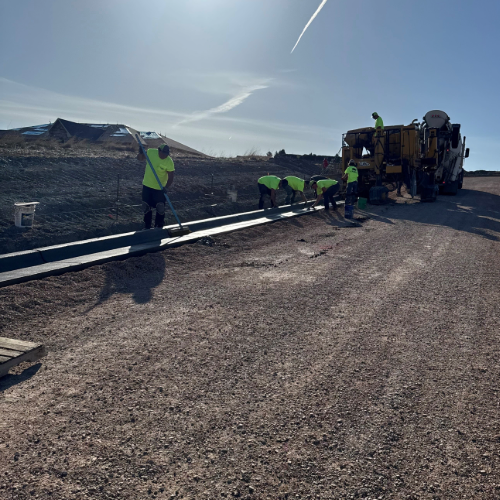
Timing is everything, but in the Black Hills, perfect conditions for pouring concrete are often hard to come by. While the ideal temperature range for pouring concrete in Rapid City typically falls between 50°F and 70°F, local contractors rarely have the luxury of waiting for consistently perfect weather. Summer temperatures can climb quickly, accelerating moisture loss and increasing the risk of shrinkage cracking, while spring, fall, and winter projects often contend with colder temperatures that can slow or even halt the curing process.
Fortunately, modern concrete technology allows experienced contractors to pour successfully in a much wider range of conditions. In hot weather, specialized admixtures can be added to the concrete mix to slow evaporation, improve workability, and provide additional time for proper finishing. During colder months, accelerators, heaters, and other cold-weather additives can help concrete gain strength even when temperatures drop. These products, when properly specified and applied, help ensure a quality finished product despite Rapid City's unpredictable climate.
Once poured and finished, the curing process remains critical to the slab's long-term performance. Concrete does not simply "dry" - it cures through a chemical reaction that requires controlled moisture and temperature conditions. During warmer weather, keeping the surface adequately moist helps prevent premature drying and cracking. In colder months, contractors, like yours truly, often use insulated concrete blankets to retain heat and protect the slab from freezing while it gains strength. These practices allow quality concrete work to continue throughout the year, even during South Dakota winters.
By understanding local weather conditions, using the appropriate mix designs and additives, and carefully managing the curing process, contractors can produce durable, long-lasting concrete surfaces capable of withstanding the dramatic temperature swings and demanding conditions found throughout the Black Hills.
Ready to Start Your Next Concrete Project?
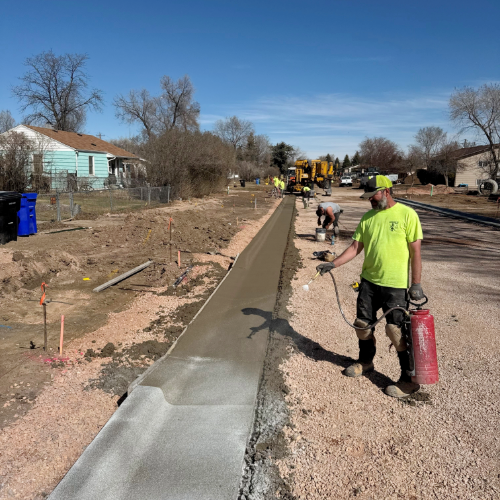
While the 4:2:1 concrete mix rule is a reliable guideline for many residential applications, every project has unique requirements based on site conditions, soil composition, intended use, and the demanding Black Hills climate. Whether you're planning a new driveway, patio, sidewalk, foundation, or commercial concrete project, partnering with an experienced professional can help ensure long-lasting results.
Lester-Robbins Construction is your go-to concrete contractor in Rapid City and throughout the Black Hills, delivering expert craftsmanship, quality materials, and solutions built to withstand South Dakota's toughest conditions. Contact our team today to discuss your project and discover why homeowners and businesses trust Lester-Robbins Construction for dependable concrete work done right the first time.
Last Modified: