
How to Protect Concrete Before a South Dakota Winter Hits
– By #Lester-Robbins Construction
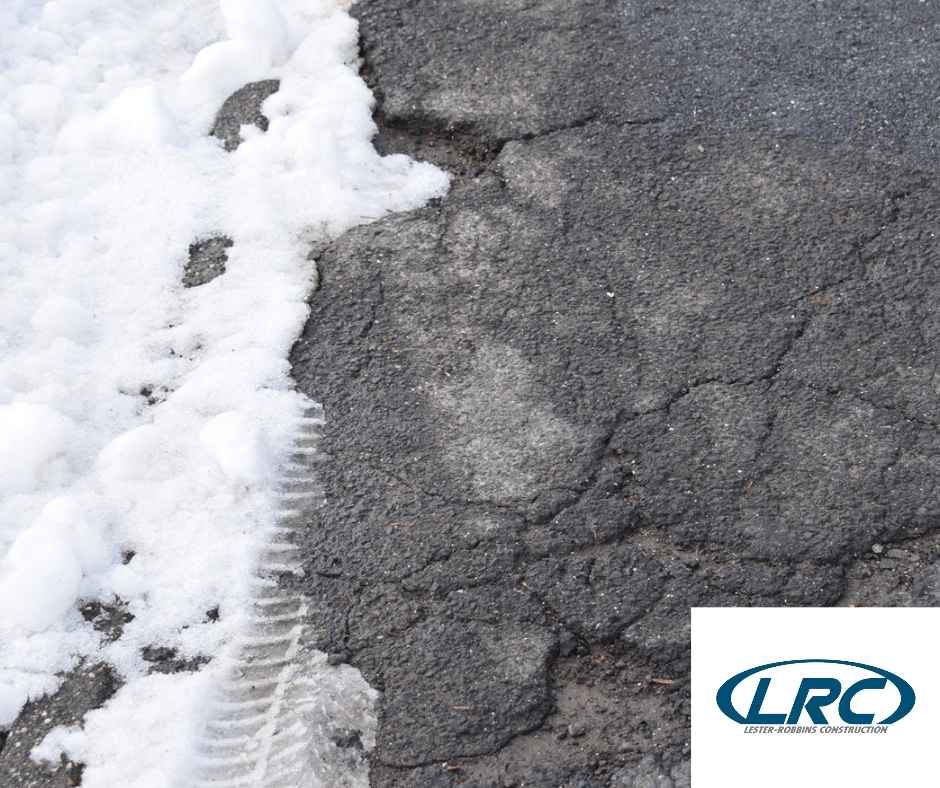
The good news is that most winter concrete damage doesn't happen overnight. It develops gradually as moisture works its way into small cracks and surface pores. When that trapped water freezes and expands, concrete begins to crack, flake, scale, and deteriorate. That's why fall is one of the most important times of year for protecting your investment.
At Lester-Robbins Construction, we've spent almost 20 years building and repairing concrete throughout Rapid City and the Black Hills. Whether it's a residential driveway, commercial flatwork, industrial flooring, or decorative concrete, we've seen firsthand how proper preparation before winter can significantly extend the life of a concrete surface.
Winter Doesn't Damage Concrete. Water Does.
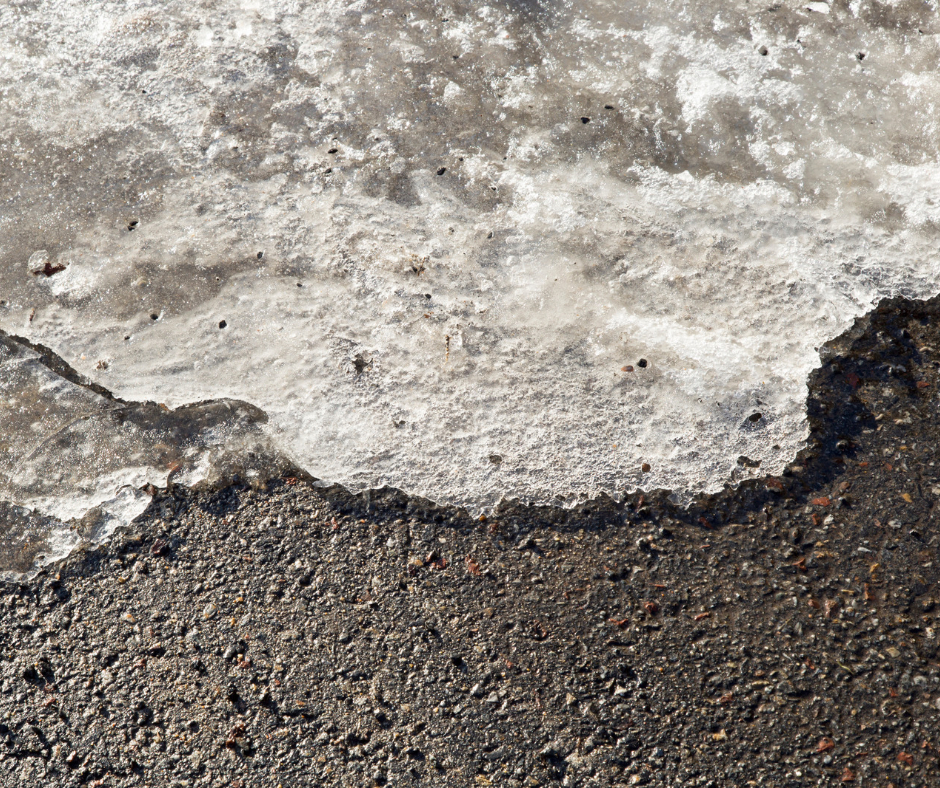
Many people assume cold temperatures are the primary cause of concrete failure. In reality, concrete is built to handle cold weather. The real problem begins when moisture finds its way beneath the surface.
As water enters small cracks and pores, it expands when it freezes. That expansion creates pressure within the concrete. Over the course of dozens or even hundreds of freeze-thaw cycles, those tiny imperfections become larger cracks causing concrete spalling, surface scaling, and eventually costly repairs.
This is why some driveways or sidewalks look nearly new after years of exposure, while others begin showing signs of deterioration much sooner. Often, the difference comes down to moisture management and preventative maintenance.
Before winter arrives, take a close look at your concrete. Areas that hold standing water, existing cracks, deteriorating joints, or worn-out sealers deserve attention before temperatures begin consistently dropping below freezing.
Small Problems Become Big Problems During Winter
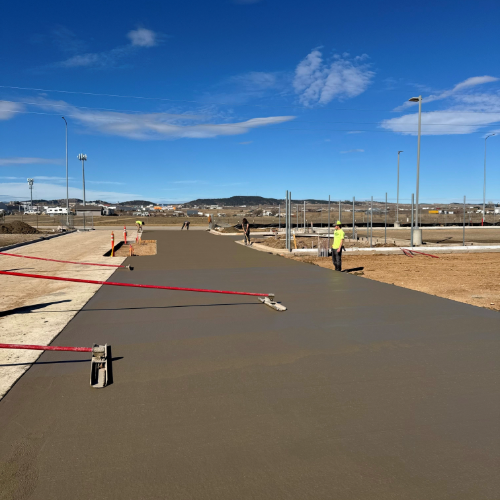
During the summer, a hairline crack might seem cosmetic. During winter, it becomes an entry point for water. Every snowfall, rain event, and thaw cycle gives moisture another opportunity to work deeper into the slab. By spring, what started as a minor issue may have widened significantly or created surrounding surface damage.
The same is true for deteriorated control joints and expansion joints. These features are designed to help concrete move naturally as temperatures change. When they become damaged or filled with debris, they can trap water rather than directing it away from vulnerable areas.
Addressing these issues before winter sets in is almost always more affordable than dealing with the damage after a season of repeated freezing and thawing.
Why Drainage Matters More Than Most People Realize
One of the most overlooked threats to concrete isn't the concrete itself. It's what's happening around it. Even a properly constructed slab can experience premature wear if water is consistently pooling against it. Poor grading, clogged drains, downspouts that discharge too close to flatwork, and low spots in pavement all increase exposure to moisture.Walk around your property after a rainstorm or during a snowmelt event. Pay attention to areas where water sits longer than expected. Those locations often become the first spots where winter damage appears.
At commercial facilities, drainage issues can be particularly problematic around loading docks, parking lots, sidewalks, and building entrances. In residential settings, driveways, patios, and sidewalks commonly experience accelerated wear when water has nowhere to go.
Before winter arrives, correcting drainage concerns can help prevent years of unnecessary deterioration.
Is It Time to Reseal Your Concrete?


Concrete sealer is one of the most effective defenses against moisture intrusion, but many property owners aren't sure when resealing is needed.
A simple test is to sprinkle a small amount of water on the concrete surface. If the water beads up, your sealer may still be performing as intended. If it quickly darkens and absorbs into the concrete, it may be time for additional protection.
Not all sealers are the same, either. Exterior concrete often benefits from penetrating sealers designed to reduce water absorption while still allowing the concrete to breathe. Decorative concrete may require a different approach to preserve both appearance and durability.
Like most maintenance projects, timing matters. Sealers perform best when applied to clean, dry surfaces with favorable weather conditions. Waiting until temperatures are already dropping or snow is in the forecast can limit effectiveness and create unnecessary scheduling challenges.
The Areas Most Vulnerable to Winter Damage
Driveways and parking lots regularly encounter melting snow, road salts, and constant vehicle traffic. Sidewalks and entryways are exposed to repeated applications of deicing products throughout the season. Loading docks and commercial floors can experience additional stress from heavy equipment and daily operations.
Decorative concrete often requires extra attention as well. Because visual appearance is a major part of its value, even minor scaling or surface deterioration can become noticeable.
Property owners are often surprised to learn that concrete adjacent to foundations can also present concerns. Improper drainage in these areas doesn't just affect the flatwork. It can contribute to broader water management issues around the structure itself.
What If Your Concrete Is Already Showing Damage?

What appears to be a small cosmetic issue on the surface can sometimes indicate underlying moisture problems that will continue to worsen through the winter months. That's why it can be valuable to have an experienced concrete contractor evaluate the condition of the slab before deciding on a repair strategy.
Winter Preparation Starts Earlier Than Most People Think
One lesson we've learned serving Rapid City and the Black Hills is that concrete projects are always easier to plan before winter arrives than during it.
Waiting until the first major snowstorm is on the forecast often limits options. Surface repairs, sealing applications, and site improvements all benefit from favorable weather conditions and adequate lead time.
If you're maintaining an existing concrete surface or planning future concrete work, having a strategy in place before freezing temperatures become the norm gives you the best opportunity to protect your investment.
Protect Your Concrete with Help from a Local Expert

South Dakota winters are tough, but they don't have to shorten the life of your concrete.
Taking steps to repair cracks, improve drainage, address joint issues, and seal vulnerable surfaces before winter arrives can help prevent costly damage and extend the performance of your concrete for years to come.
At Lester-Robbins Construction, concrete isn't just one of the services we offer. It's all we do. From driveways and sidewalks to commercial flatwork, foundations, paving, decorative concrete, and industrial floors, our team has built a reputation for quality craftsmanship throughout Rapid City and the Black Hills.
If you're unsure whether your concrete is ready for winter, now is the time to take a closer look.
Last Modified: